
Healthy Baking Techniques: Master the Art of Nutritious Baking
Discover the science and skills behind creating delicious baked goods that nourish your body. Learn professional techniques used by expert bakers who prioritize both taste and wellness.
The information on this site is for educational purposes only and does not constitute medical advice. Always consult a qualified healthcare professional before making health decisions.
Core Features of Our Baking Course
Natural Ingredient Mastery
Learn how to select, source, and work with whole grains, legume-based flours, natural sweeteners, and plant-based binders. Understand the nutritional profiles and baking properties of each ingredient to create balanced, nutrient-dense baked goods.
Baking Science Foundation
Explore the chemistry behind rising, texture development, and flavor creation. Understand how hydration, fermentation, and temperature control directly impact your final product. This knowledge helps you troubleshoot problems and innovate with confidence.
Professional Techniques
Master the hands-on methods used in professional kitchens. From proper mixing techniques to precision fermentation timing, learn the practices that ensure consistent, high-quality results every time you bake.
Scaling & Adaptation
Develop the ability to scale recipes for different yields and adapt techniques for various baking contexts. Whether you're baking for one or twenty, learn the mathematical and practical principles that maintain quality across all volumes.
Wellness-Focused Baking
Learn to create baked goods that support overall wellbeing. Discover how to balance macronutrients, minimize refined ingredients, and incorporate nutrient-rich additions without compromising on taste or texture.
Community Support
Join a vibrant community of bakers and food enthusiasts. Share your creations, ask questions, exchange recipes, and learn from peers and instructors. Our editorial team regularly features student success stories and innovative approaches.
What You'll Learn - Step by Step
Ingredient Selection
Understand different flour types, leavening agents, and healthier sweetening options. Learn how each component affects the final texture, flavor, and nutritional value of your bakes.
Mixing & Preparation
Master the correct mixing methods for different baked goods. Learn how mixing speed, time, and technique directly impact gluten development, crumb structure, and overall quality.
Fermentation Control
Explore fermentation processes and their importance in flavor development and digestibility. Learn temperature management, timing, and how to recognize proper fermentation stages.
Baking & Finishing
Learn proper oven management, cooling techniques, and storage methods. Discover how to achieve perfect crust development, moisture retention, and shelf stability.
Professional Baking Techniques You'll Master
Our course covers the hands-on methods that separate home bakers from professionals. These techniques are the foundation of consistent, high-quality baked goods that look and taste exceptional.
-
Proper Lamination Methods
Learn to create perfectly layered croissants, danishes, and puff pastries with the right folding and resting techniques.
-
Sourdough & Long Fermentation
Master wild yeast cultivation, starter maintenance, and extended fermentation for complex flavors and improved digestibility.
-
Precision Temperature Control
Understand the critical role of dough temperature, ambient conditions, and oven profiles in achieving consistent results.
-
Gluten-Free & Alternative Flour Baking
Learn specialized techniques for working with alternative grains, legume flours, and gluten-free blends without sacrificing texture or flavor.
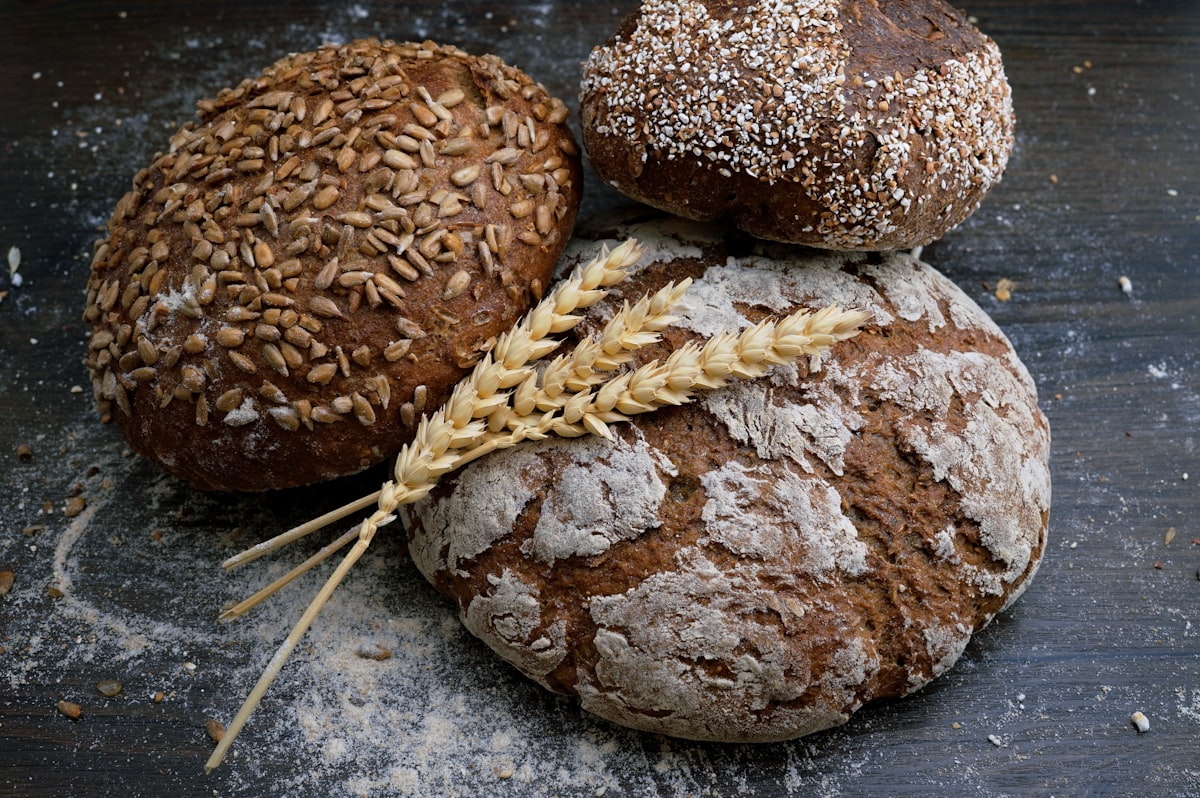
Healthy Baking vs. Conventional Baking
| Aspect | Conventional Approach | Healthy Baking Approach |
|---|---|---|
| Flour Selection | Refined white flour (bleached, enriched) | Whole grains, sprouted flours, legume-based alternatives |
| Sweetening | Refined sugar, corn syrup, artificial sweeteners | Honey, dates, coconut sugar, maple syrup in measured amounts |
| Fats & Oils | Hydrogenated oils, refined vegetable oil | Cold-pressed coconut oil, extra virgin olive oil, seed butters |
| Fermentation | Quick rise with commercial yeast only | Extended fermentation for flavor and digestibility improvement |
| Additives | Dough conditioners, preservatives, emulsifiers | Minimal ingredients, natural preservation methods |
| Nutritional Density | Fortified but nutrient-poor base | Whole foods with intact micronutrients and fiber |
| Time Investment | Quick and convenient (2-4 hours total) | Longer cycles (8-48 hours) but simpler hands-on work |
The key difference: healthy baking prioritizes ingredient quality and natural processes over speed and shelf stability. This approach results in more satisfying, nutrient-rich baked goods.
Recipes & Projects You'll Explore
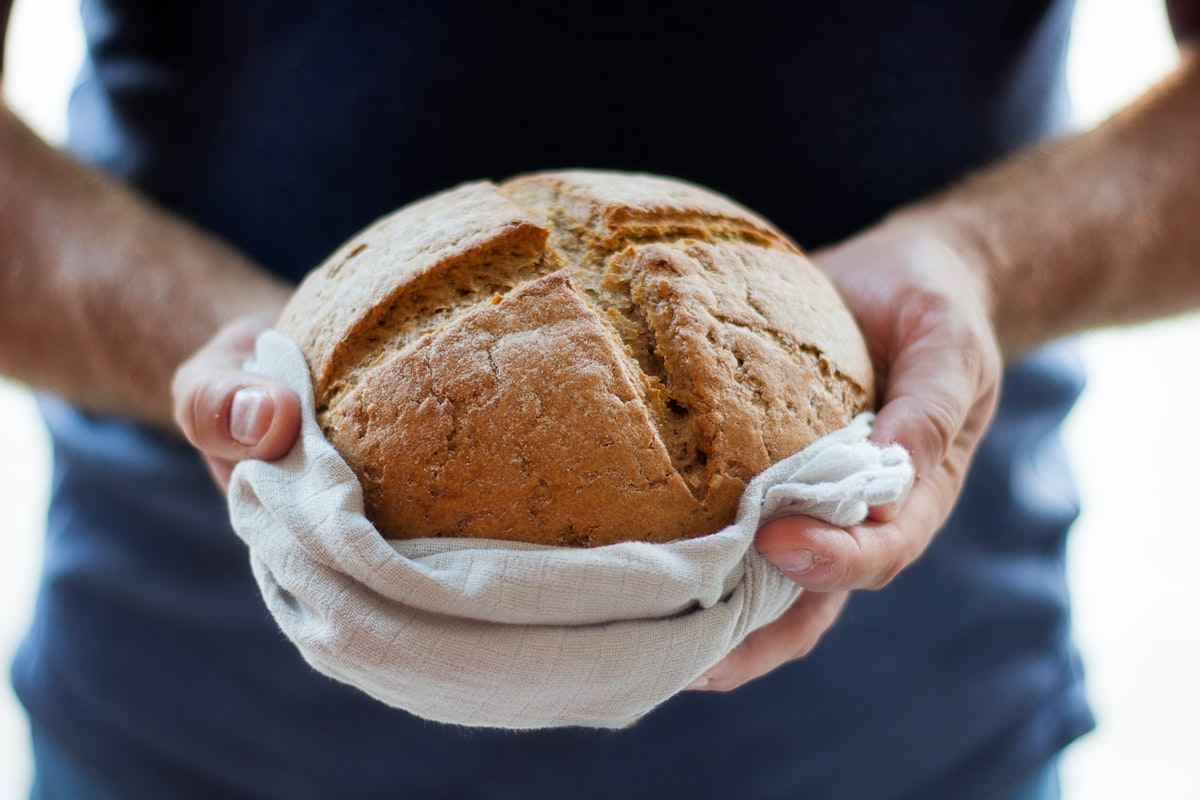
Sourdough Mastery
Learn to create naturally fermented sourdough with complex flavors and improved digestibility. Master starter maintenance and develop your own signature loaves.
Extended fermentation | Whole grain focus
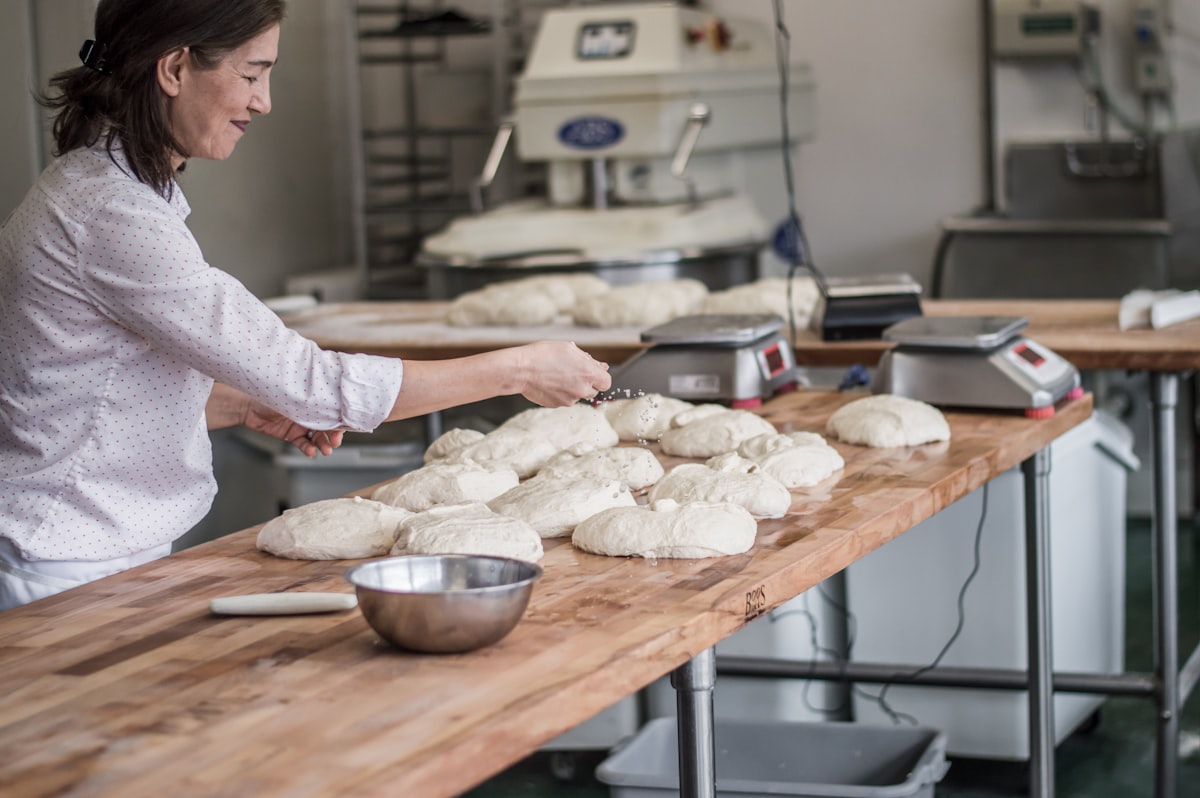
Ancient Grain Breads
Explore einkorn, spelt, and other heritage grains. Learn their unique properties and how to work with them to create nutritious, flavorful breads with character.
Heritage grains | Higher nutrients
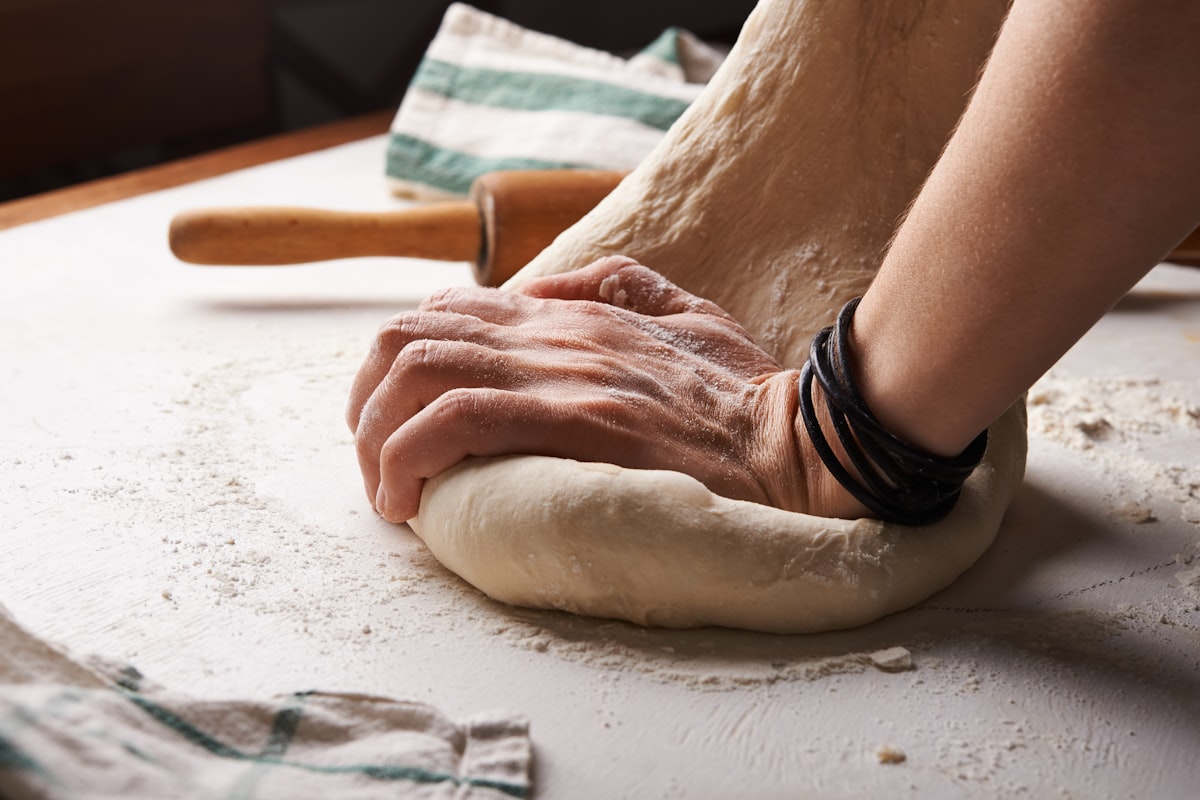
Laminated Pastries
Master the precision required for croissants, danishes, and puff pastries. Learn proper folding, hydration, and rest periods for buttery, flaky results.
Advanced technique | Professional level
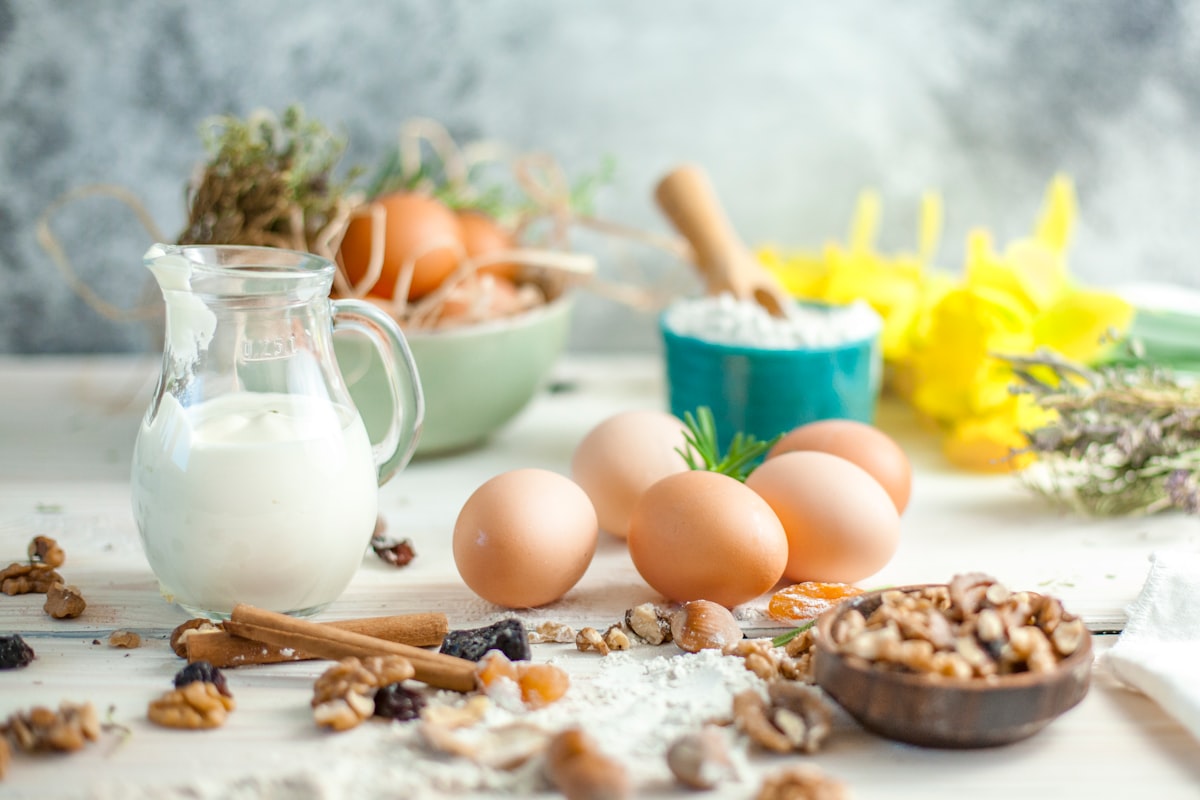
Naturally Sweetened Cakes
Create delicious cakes using honey, dates, and whole fruit. Learn how to reduce refined sugar while maintaining moisture, tenderness, and great flavor.
Lower sugar | Nutrient-rich

Gluten-Free Baking
Master alternative flours like almond, oat, and chickpea flour. Learn binding techniques and hydration adjustments for excellent texture without gluten.
Different chemistry | Inclusive approach
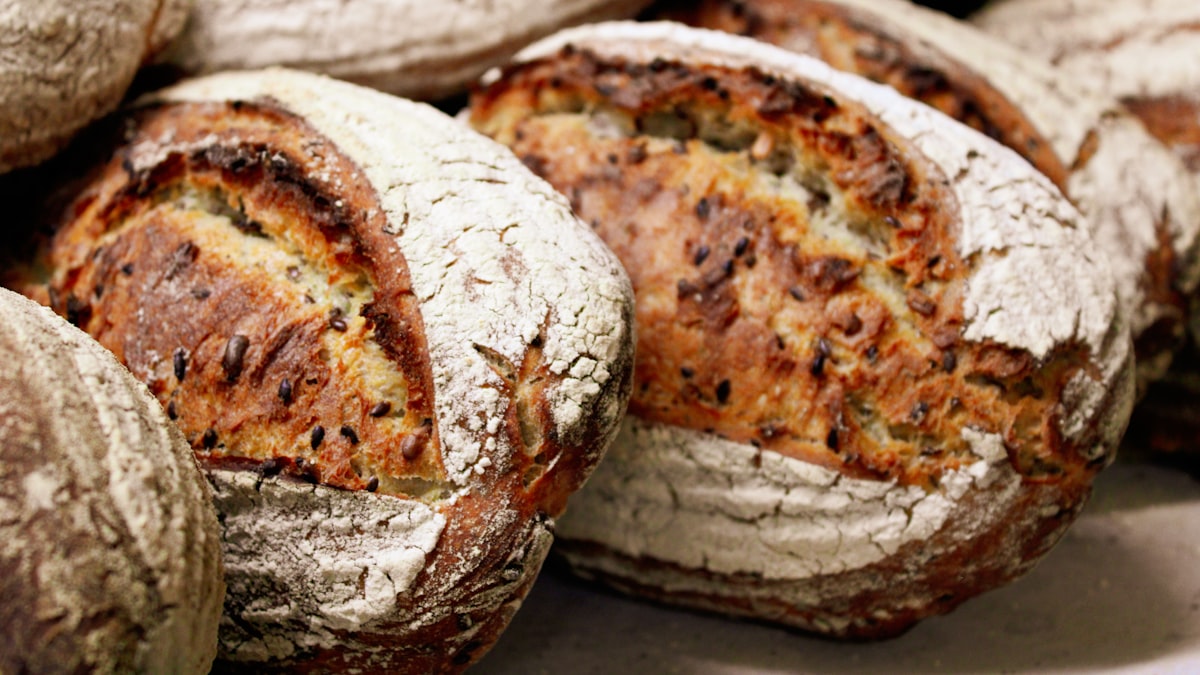
Savory Baking
Expand beyond sweet treats. Learn savory bread, vegetable-enriched items, and herb-infused creations that add nutritional depth and variety to your baking repertoire.
Vegetable-enriched | Full nutrition
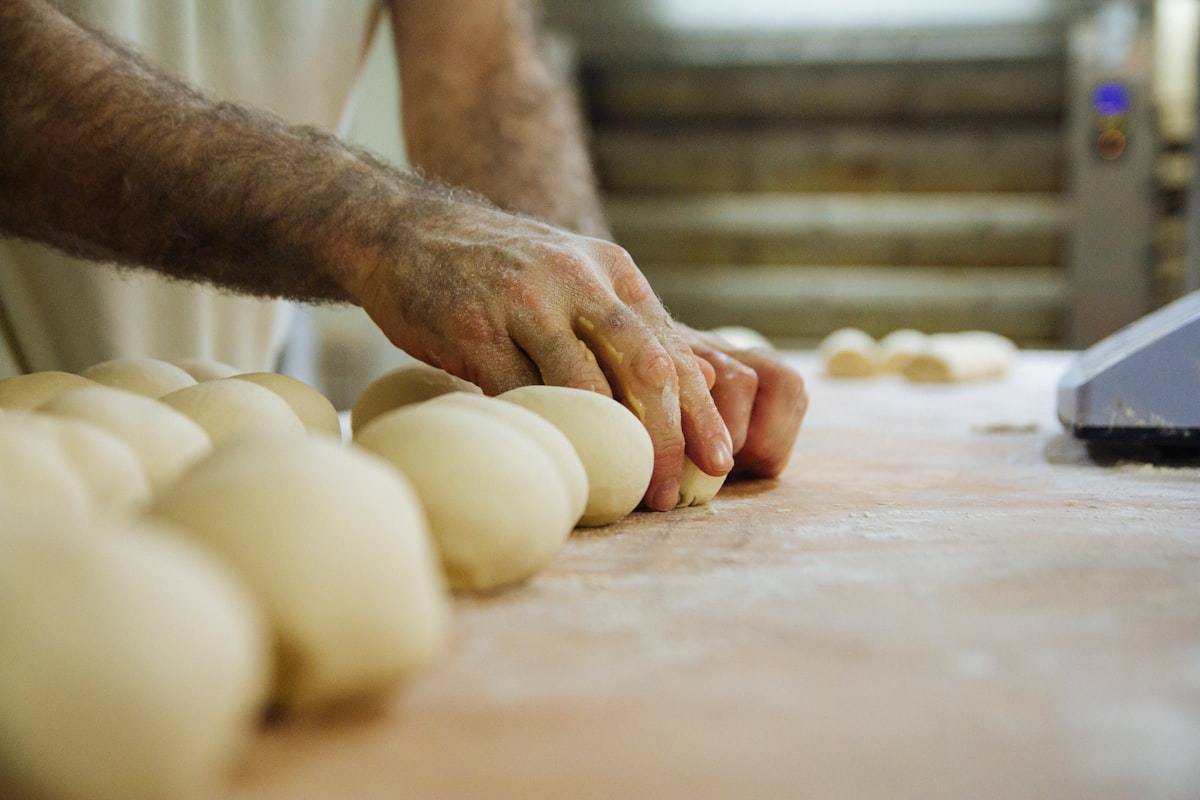
Ingredient Secrets Revealed
Understanding your ingredients is the foundation of successful healthy baking. Each component—from the flour to the smallest pinch of salt—plays a specific role in the final product.
Whole Grain Flours
Whole grains retain bran and germ, providing fiber, minerals, and nutrients. They absorb more water and ferment differently than refined flours. Learn to adjust hydration and fermentation times accordingly.
Alternative Flours
Legume flours (chickpea, lentil) add protein and create different crumb structures. Nut flours provide richness and density. Each requires unique handling and ingredient ratios.
Natural Sweeteners
Honey, maple syrup, and dates offer complexity and moisture. They behave differently in dough—some ferment faster, others affect browning. Understand their unique properties for best results.
Quality Fats & Oils
Cold-pressed oils and real butter offer superior flavor and oxidative stability. Learn how fat content affects moisture, crumb structure, and shelf life of baked goods.
Common Questions About Our Course
Do I need baking experience to join?
No prior experience is required. Our course is designed for complete beginners through advanced home bakers. Each module includes fundamentals, and you progress at your own pace. Experienced bakers will find fresh insights and professional techniques to refine their skills.
What equipment do I need at home?
Basic kitchen equipment is sufficient: mixing bowls, a kitchen scale, measuring spoons, a stand mixer (optional but helpful), and a standard home oven. We provide detailed guidance on essential vs. optional tools and how to work around equipment limitations.
How much time do I need to invest?
This depends on your pace. Healthy baking often involves longer fermentation times, but actual hands-on work is minimal. Most techniques fit within a flexible home schedule. Lesson videos are 20-45 minutes; baking projects happen naturally throughout your day.
Is there support if I get stuck?
Yes. Our community forum allows you to ask questions and share photos of your bakes. Our editorial team and experienced members provide constructive feedback and troubleshooting guidance. For specific content inquiries, email our team at [email protected].
Can I access course materials on mobile?
All materials are mobile-friendly. Watch videos, read guides, and access recipes on any device. Download PDFs for offline reference in your kitchen. The platform is designed for real-world baking where you'll be moving between devices and locations.